Treatment Programs at HLNG Rehab
HLNG Rehab delivers four integrated levels of addiction treatment, each built on peer-reviewed clinical protocols and staffed by board-certified professionals. From acute medical stabilization through long-term outpatient maintenance, every program incorporates our signature creative arts therapy track and nutritional psychiatry assessments.
Medical Detox
Medical detoxification at HLNG Rehab is a physician-directed process designed to manage acute withdrawal symptoms safely and effectively. Our addiction medicine specialists utilize medication-assisted treatment (MAT) -- including buprenorphine, naltrexone, and benzodiazepine taper protocols -- calibrated to each patient's substance history, medical comorbidities, and vital-sign trends.
Patients receive 24/7 nursing monitoring with standardized withdrawal assessment scales (CIWA-Ar for alcohol, COWS for opioids) to guide real-time medication adjustments. Nutritional support begins during detox: our registered dietitian assesses micronutrient deficiencies common in chronic substance use and initiates targeted supplementation to accelerate physiological stabilization.
Typical detox duration ranges from 3 to 10 days depending on the substance and severity. Patients transition directly into residential or outpatient programming upon medical clearance, ensuring continuity of care without gaps that increase relapse risk.
Residential Treatment
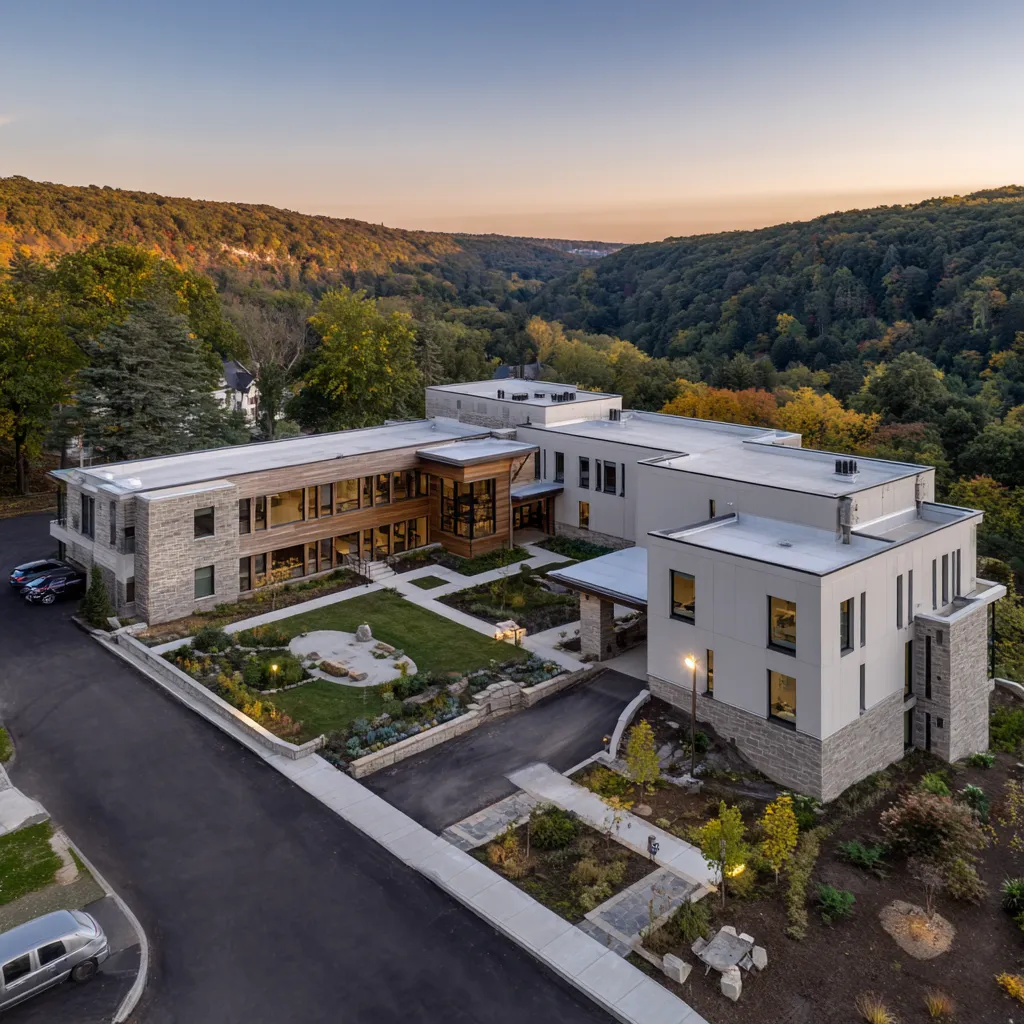
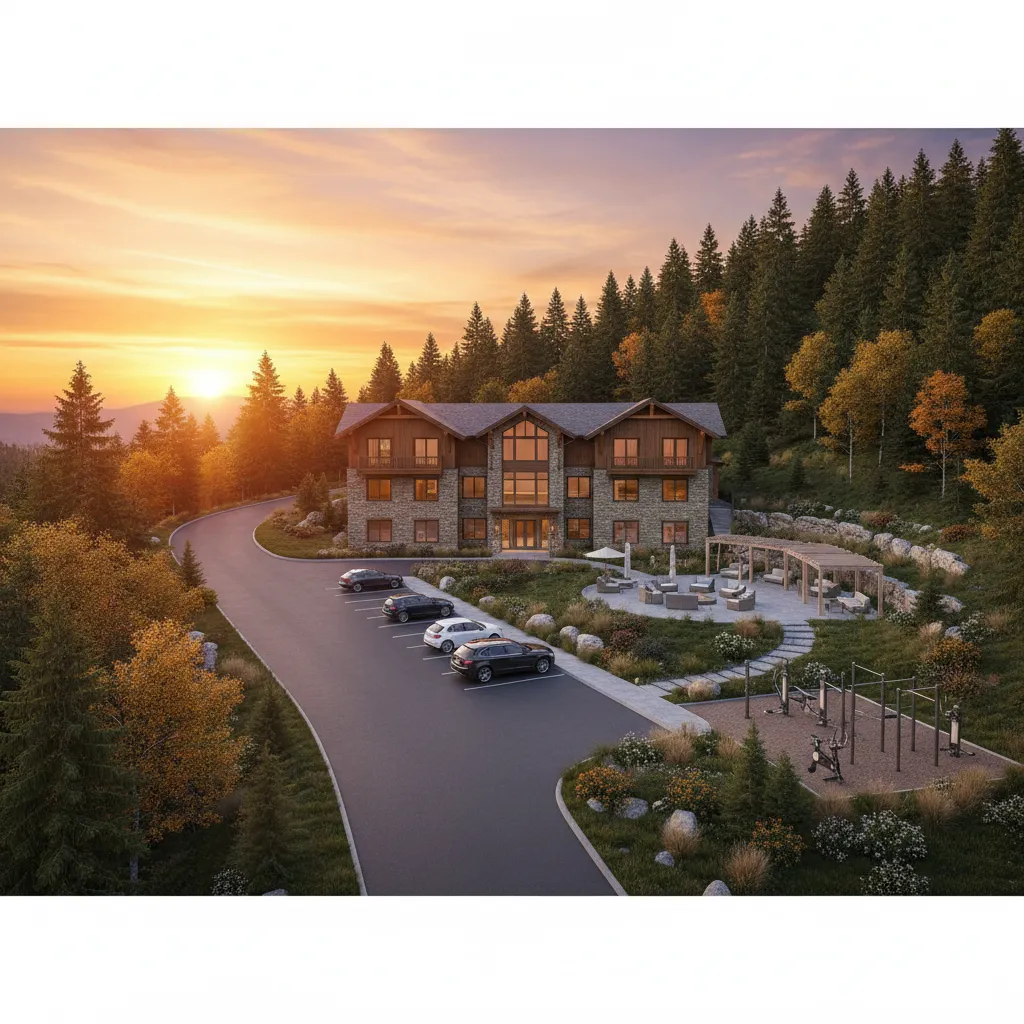
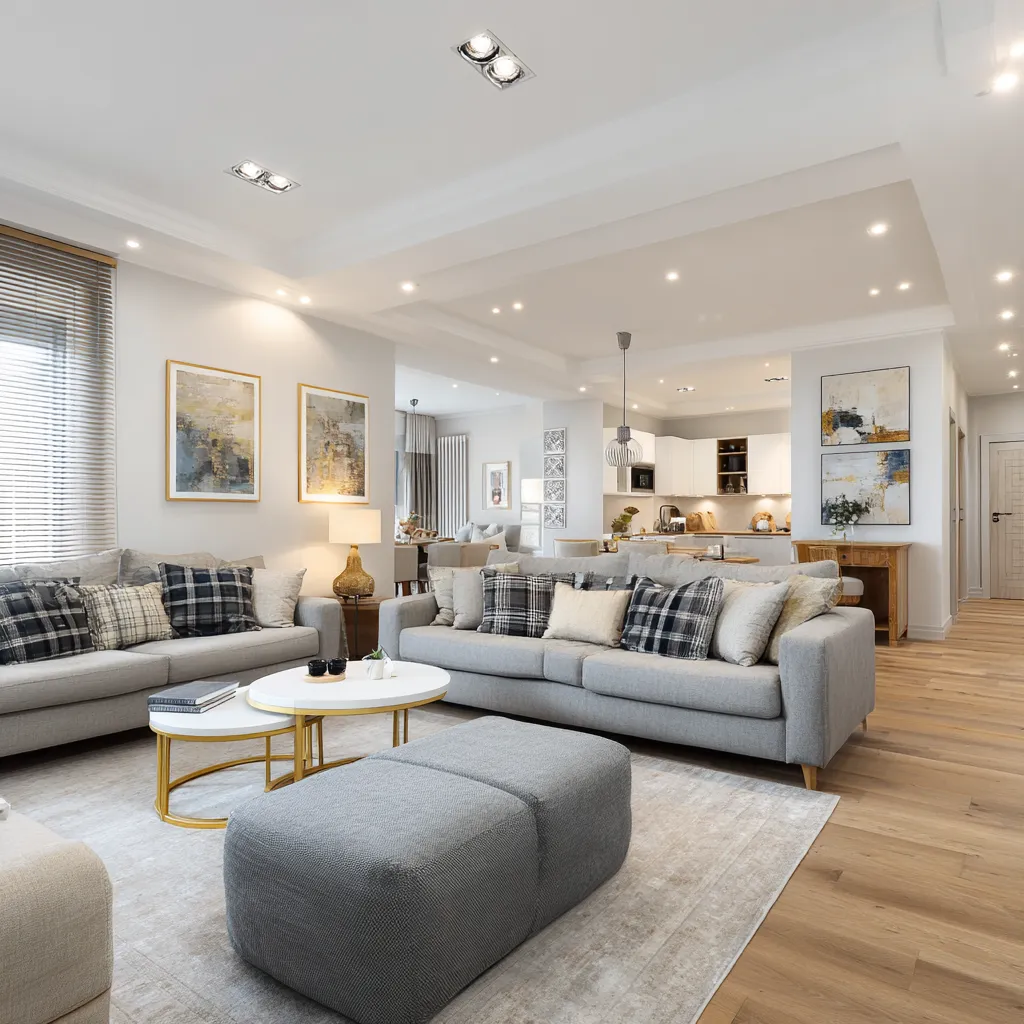
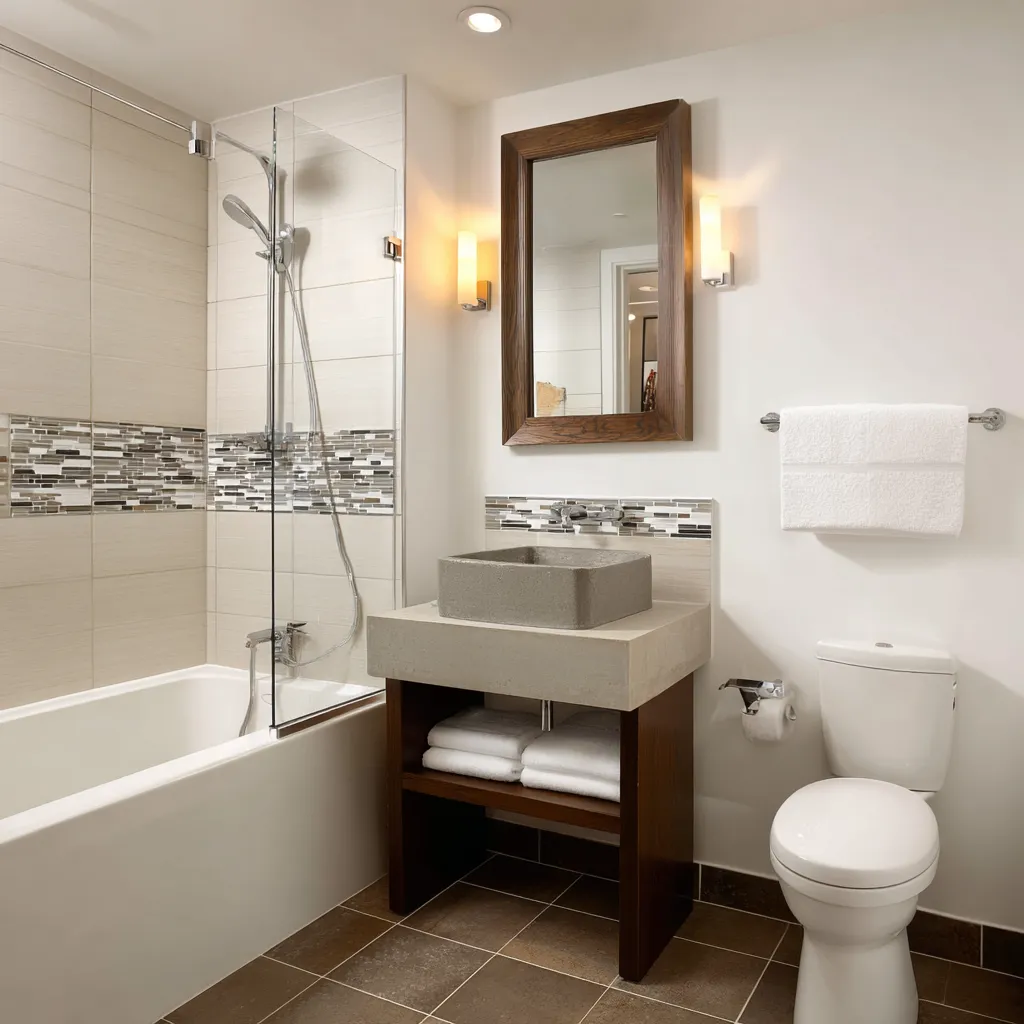
Our residential treatment program provides 30-to-90-day immersive care within HLNG Rehab's 72-bed Huntington Beach campus. Each patient receives an individualized treatment plan developed through comprehensive biopsychosocial assessment, psychiatric evaluation, and motivational enhancement interviews conducted during the first 72 hours of admission.
Daily programming includes individual counseling sessions (CBT, DBT, or Trauma-Focused CBT based on clinical indication), process-oriented group therapy, 12-Step facilitation, and creative arts sessions -- art therapy, music therapy, and creative writing -- that engage neuroplasticity through multimodal stimulation. MBRP (Mindfulness-Based Relapse Prevention) sessions complement traditional modalities by building present-moment awareness and distress tolerance.
Family involvement is integrated through structured weekend workshops, psychoeducation modules, and family therapy sessions that address codependency patterns and communication repair. Discharge planning begins at admission, with our case management team coordinating aftercare referrals, alumni support, and ongoing outpatient transitions.
Outpatient Program
HLNG Rehab's outpatient programming offers two structured tracks: Partial Hospitalization (PHP) at 5 days per week, 6 hours per day, and Intensive Outpatient (IOP) at 3 days per week, 3 hours per session. Both tracks allow patients to maintain employment, academic commitments, or family responsibilities while continuing evidence-based clinical interventions.
PHP patients participate in daily group therapy, individual counseling, psychiatric medication management, and creative arts sessions. IOP patients attend evening sessions focused on relapse prevention skills, somatic experiencing techniques, and peer accountability groups. Both tracks include weekly nutritional counseling and progress assessments using validated outcome measures.
Outpatient programming serves as both a step-down from residential treatment and a primary entry point for individuals whose clinical severity does not require 24-hour supervision. Our clinical team uses ASAM criteria to determine appropriate level-of-care placement at every transition point.
Dual Diagnosis
Approximately 50% of individuals with substance use disorders present with a co-occurring mental health condition. HLNG Rehab's dual diagnosis program treats both conditions simultaneously through an integrated clinical model, rather than addressing them sequentially or in isolation.
Upon admission, every patient undergoes psychiatric diagnostic evaluation using structured clinical interviews and standardized instruments (PHQ-9, GAD-7, PCL-5). Patients identified with co-occurring depression, anxiety, PTSD, bipolar disorder, or other psychiatric conditions receive a coordinated treatment plan that combines psychopharmacology, individual psychotherapy (CBT or Trauma-Focused CBT), and group-based skill building.
Our psychiatric team and addiction counselors collaborate in weekly case conferences to adjust treatment trajectories based on objective clinical data. This interdisciplinary approach reduces the treatment fragmentation that often contributes to relapse in dual diagnosis populations.
Daily Schedule
| Time | Activity |
|---|---|
| 6:30 AM | Wake-up, vitals check, morning nutrition |
| 7:30 AM | Mindfulness meditation and body scan |
| 8:30 AM | Breakfast (nutritional psychiatry menu) |
| 9:00 AM | Individual counseling or psychiatric session |
| 10:30 AM | Art therapy studio session |
| 12:00 PM | Lunch |
| 1:00 PM | Process group therapy (CBT/DBT module) |
| 2:30 PM | Music therapy or creative writing workshop |
| 4:00 PM | Recreation and physical activity (pool, gymnasium) |
| 5:30 PM | Dinner |
| 6:30 PM | 12-Step facilitation or MBRP session |
| 8:00 PM | Journaling, free time, peer connection |
| 9:30 PM | Evening check-in and lights out |
Treatment Modalities
- Cognitive Behavioral Therapy (CBT)
- Individual Counseling
- Group Therapy
- Dialectical Behavior Therapy (DBT)
- 12-Step Facilitation
- Mindfulness-Based Relapse Prevention (MBRP)
- Somatic Experiencing
- Trauma-Focused CBT
Substances We Treat
- Alcohol
- Opioids
- Benzodiazepines
- Prescription Opioids
- Heroin
- GHB
- Hallucinogens
- Crack Cocaine
- Barbiturates
- Fentanyl
Amenities
- Family Lodge
- Game Room
- Family Picnic Grounds
- Private Rooms
- Gourmet Meals
- Swimming Pool
- Recreation Room
- Gymnasium
Find the Right Program for You
Our clinical team will help determine the best level of care for your needs.